
In October, Fabienne and I were invited to speak at the Cross Border Coworking Conference (CBCC) 2026 in Zadar, Croatia. When we first got the invitation, I wasn’t sure the event was really a good fit for us. I mean, we run a community-focused coliving space in a tiny village in the Swiss Alps, and I wasn’t sure how our project would fit in at an international coworking conference.
But I let a few days pass, and then we received a first draft of the conference programme, featuring sessions like:
- My village is Empty. Is Coliving (or Are Digital Nomads) the Answer?
- What Digital Nomads and Destinations Expect from Each Other?
- Remote Work in 2030: 10 Years After the Start of the Global WFH Movement – What Is the Ideal Vision for Digital Nomadism, Remote Work, and WFH in the Region (Balkans)?
I started to feel like our experience might actually be valuable to the audience. We could share how we managed to attract remote workers to a tiny mountain village, how we chose the location, our mindset, all the challenges we’ve overcome in the last 3-4 years and the side projects we’ve developed. We also realised we didn’t know much about the coworking / coliving scene in the Balkans, and we decided it could be a good opportunity to meet local actors.
So that’s how we blocked a week in October to travel to Croatia for the CBCC 2026.
What’s the Cross Border Coworking Conference?
From my understanding, it’s an event that gathers coworking operators, remote work community managers, entrepreneurs, innovators & policy makers from the Balkans. Obviously, people come to events like this to connect, get inspired and learn, but ultimately the goal is to improve the whole ecosystem and make the Balkans more attractive to remote workers.
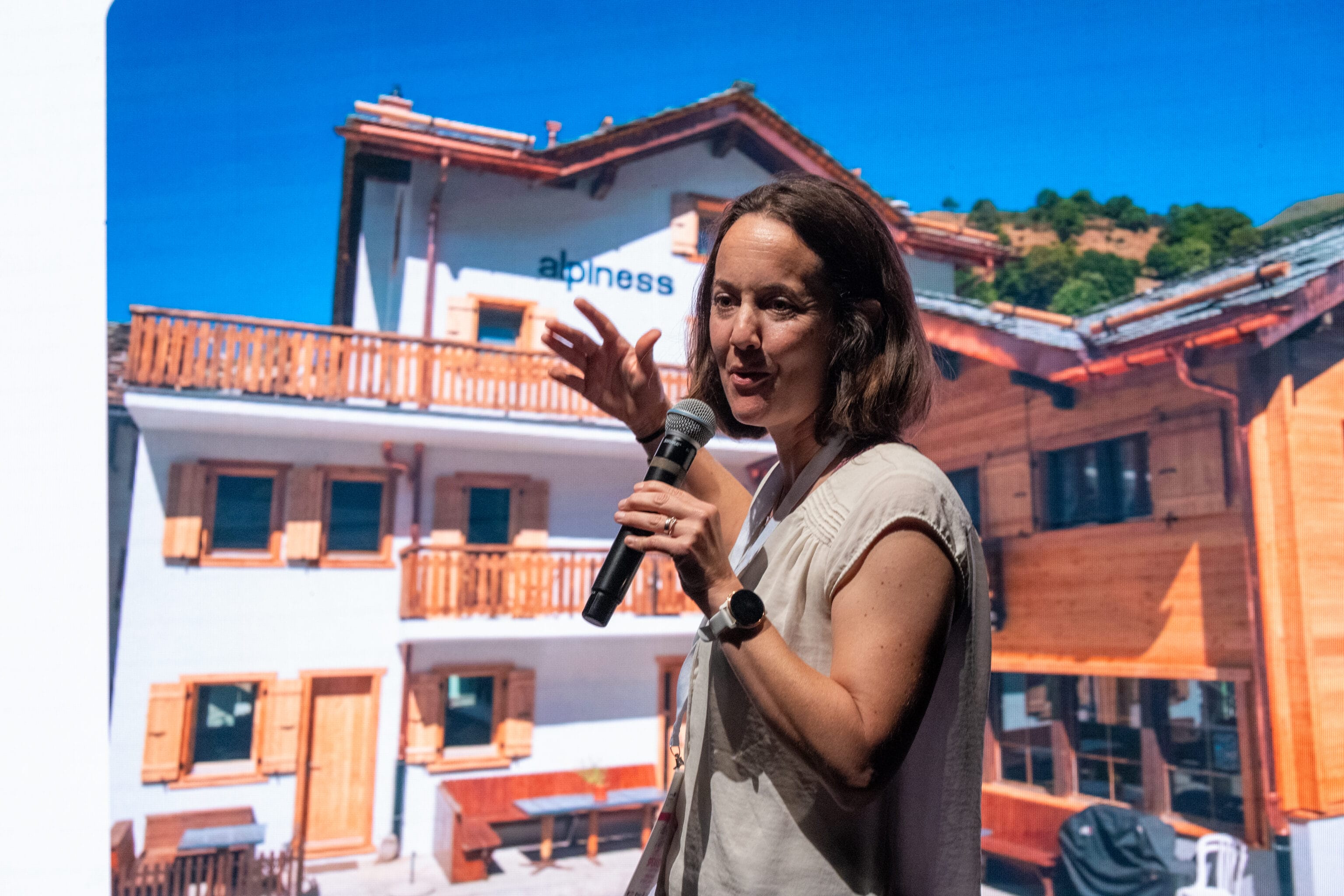
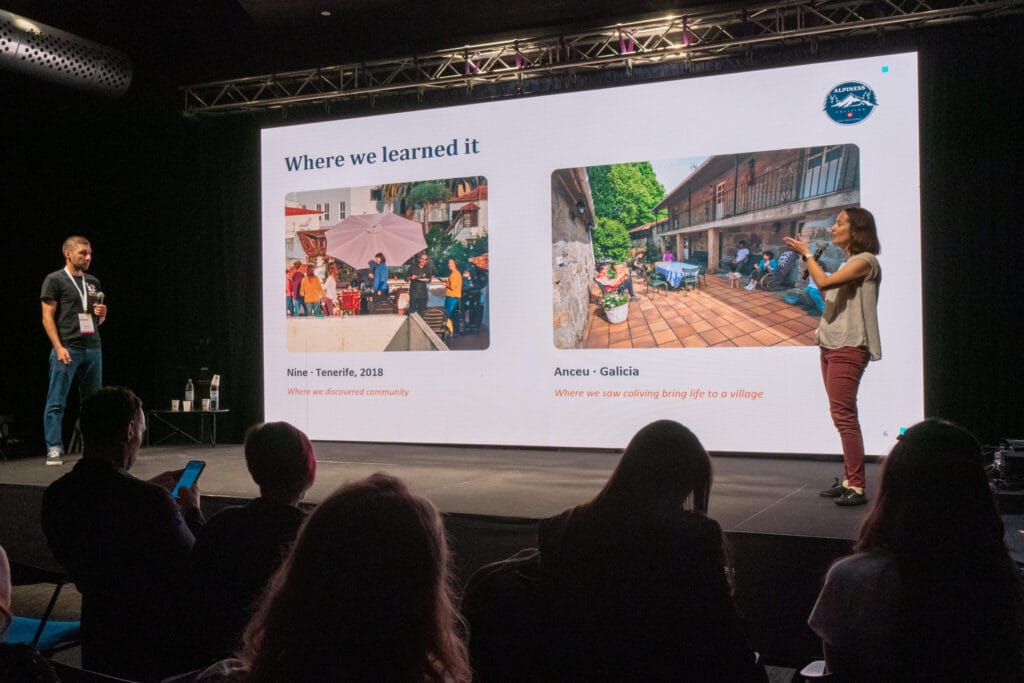
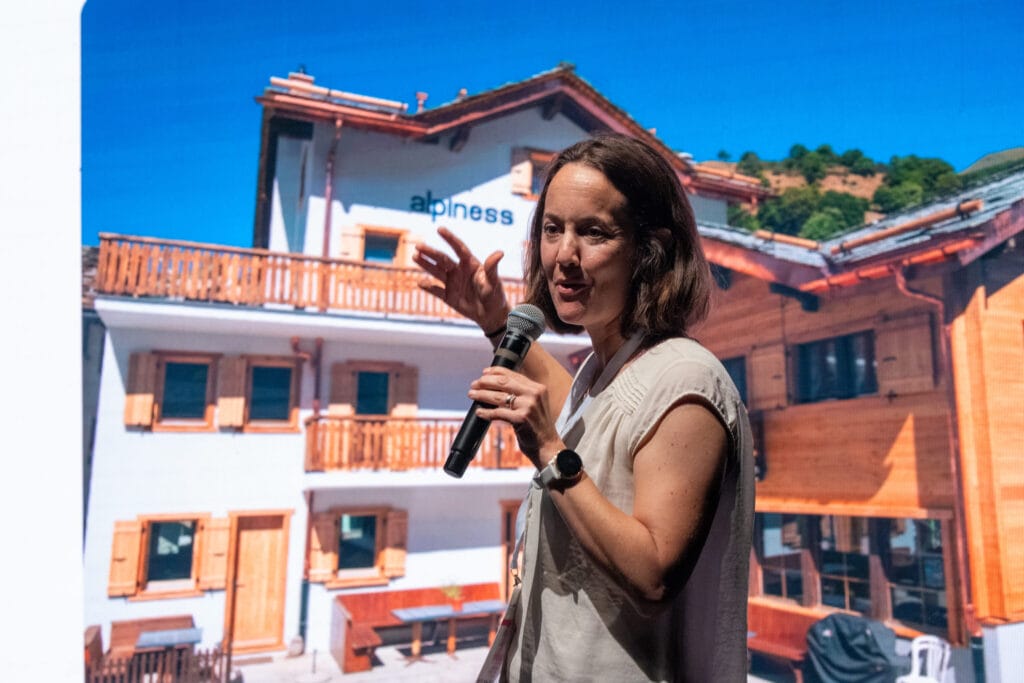
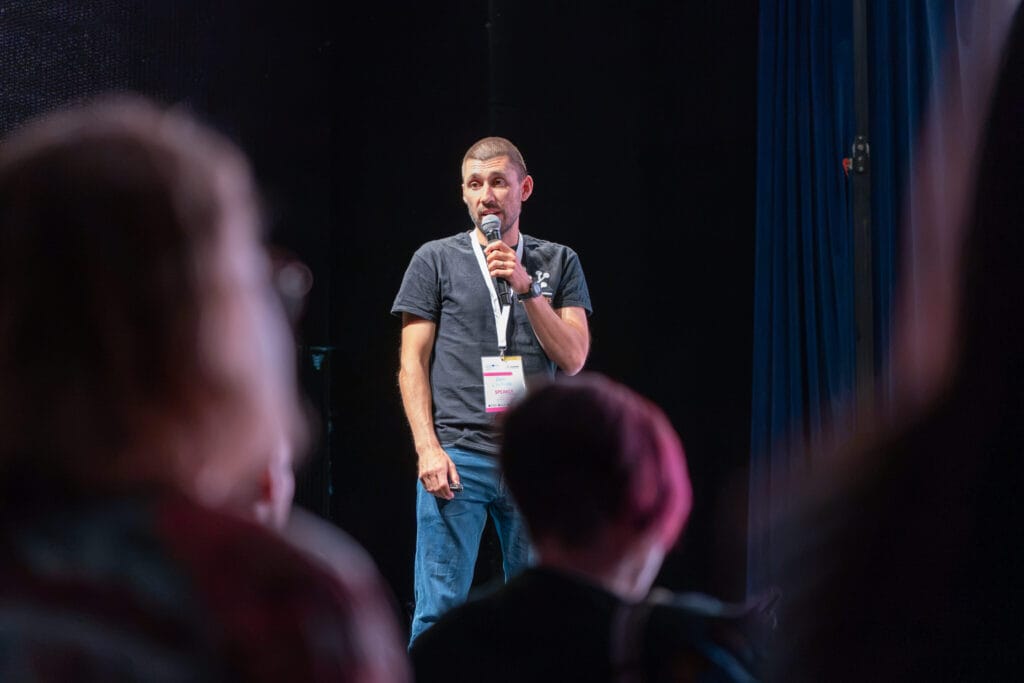
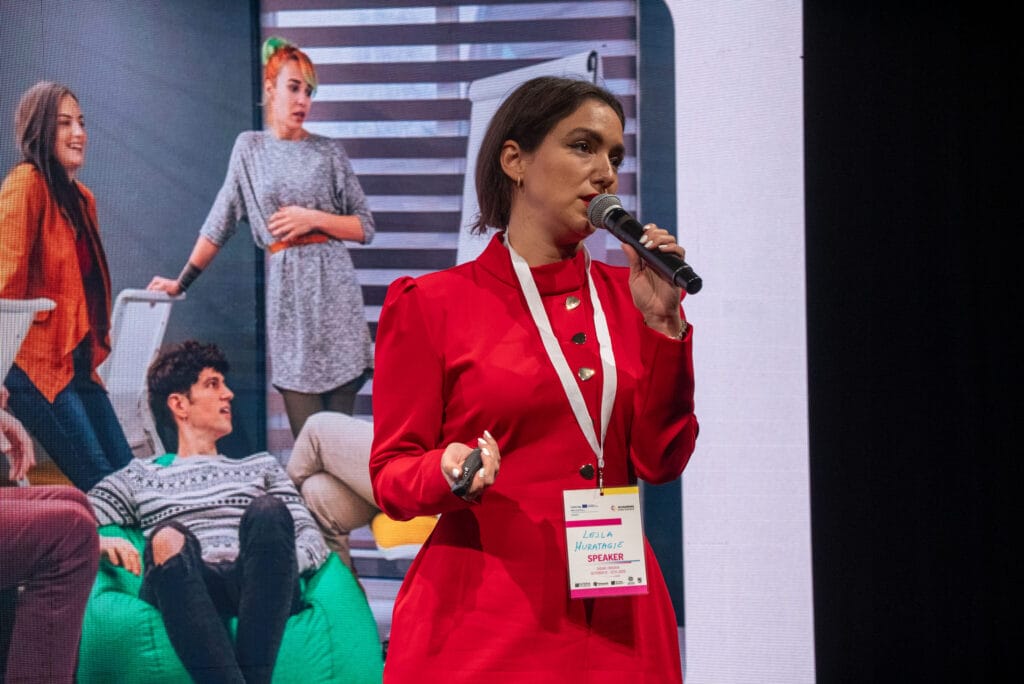
We were invited to give a keynote on “Coworking Best Practices: Stories That Inspire”. Basically, the organisers wanted an inspiring / practical talk from operators who had managed to create a successful space and attract remote workers to a place that wasn’t a nomad hub. For us it’s a super cool position to be in, because we really do have a lot to share on these topics (attracting remote workers to rural areas, having a meaningful impact, collaborating with the municipality, the challenges we’ve faced). It also makes it much easier to connect with the people in the audience who resonated most with our talk.
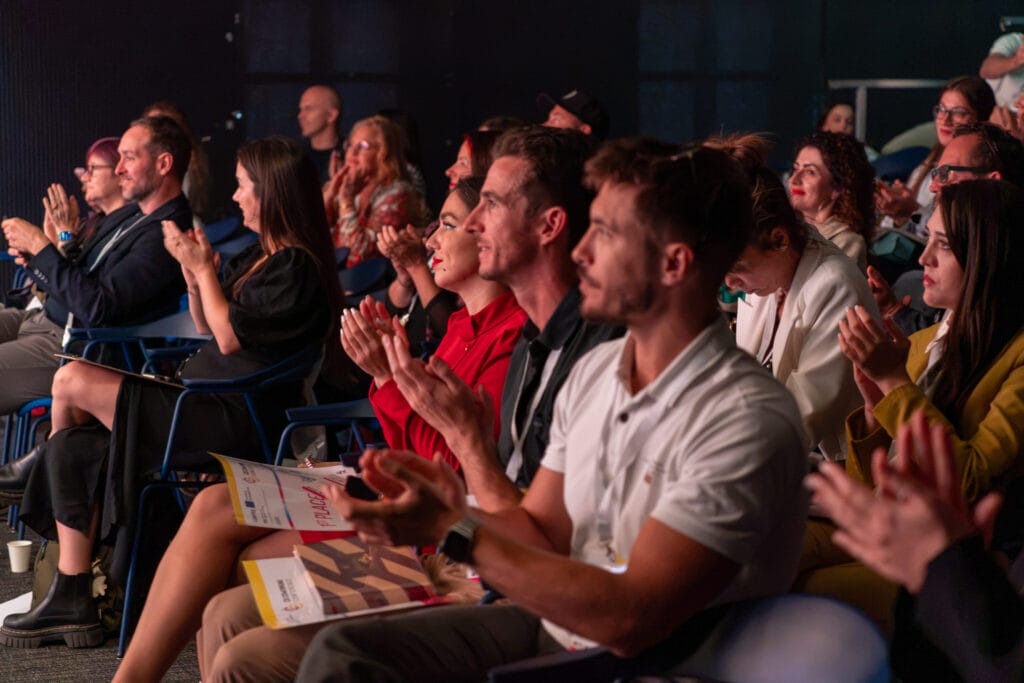
This way we met some really nice people, like:
- Helena (hive five coworking and Trogir coliving): She connected with us because she owns some apartments and 2 coworking spaces in the charming coastal town of Trogir, next to Split. She is trying to move from her current model to coliving in the low season (which is basically the whole winter in Croatia). We got on so well that after the conference we went to Trogir to visit her space and spent a nice evening together, chit-chatting about how she could improve her coliving setup.
- Sead (OZ – OBECANA ZEMLJA Permaculture Homestead, Blagaj): Sead runs a permaculture homestead in Malo Polje, close to Mostar in Bosnia and Herzegovina. Because of the nature of what we do (bringing people to a rural place close to nature) and our shared values, we naturally ended up talking during the coffee breaks. What I really like about Sead is that he’s a bit of a dreamer, with some crazy ideas and projects that come from the heart. We’ll definitely stop by his place the next time we travel in the Balkans.
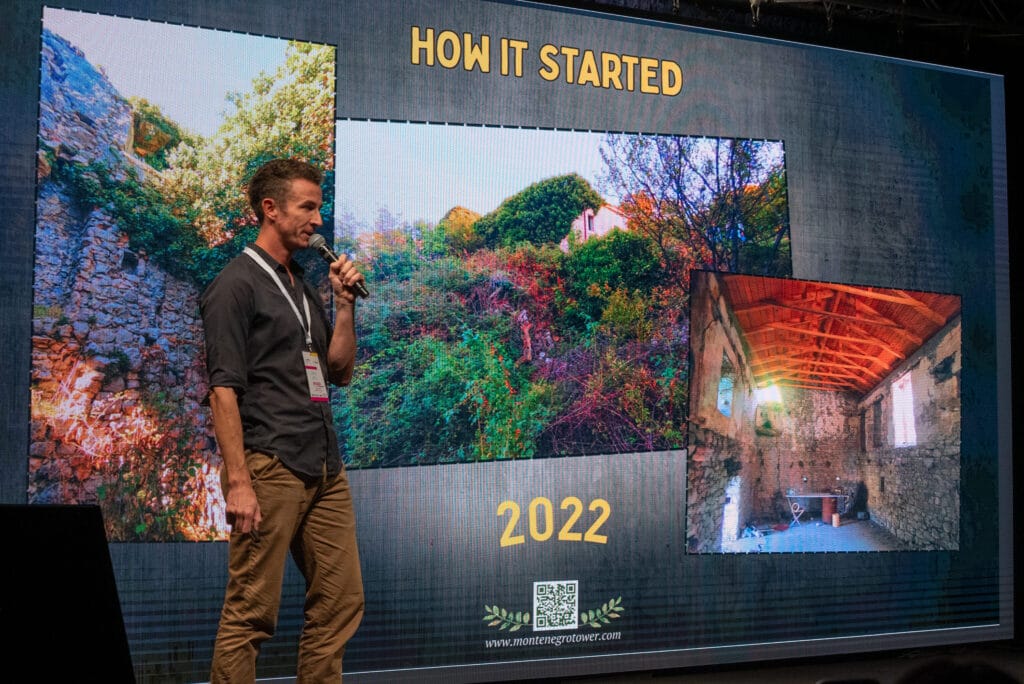
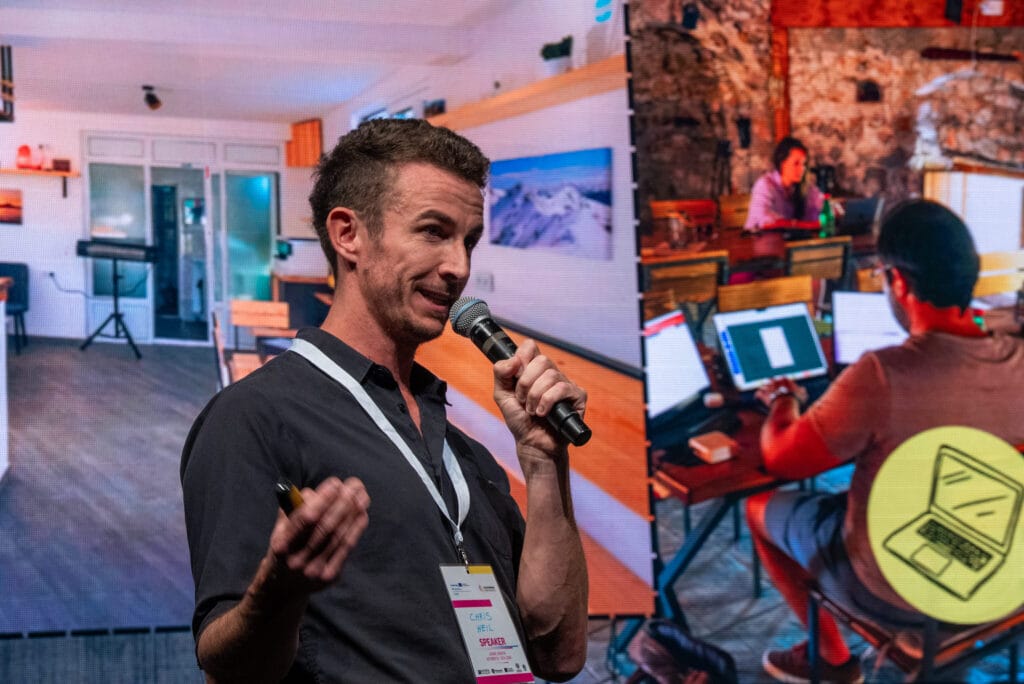
- Chris from the Montenegro Tower: Speaking of crazy projects, Chris bought a big piece of land with an old tower in the Bar Municipality of Montenegro and turned it into a bar / event / coworking space with incredible sunset and mountain views. The place looks super cool and Chris is definitely an interesting character (he also documented the whole renovation process on his YouTube channel). No doubt we’ll stop by his place next time we’re around 🙂
- But also Andjela from GEA retreat, Nermin Sehic from Tershouse and many others…
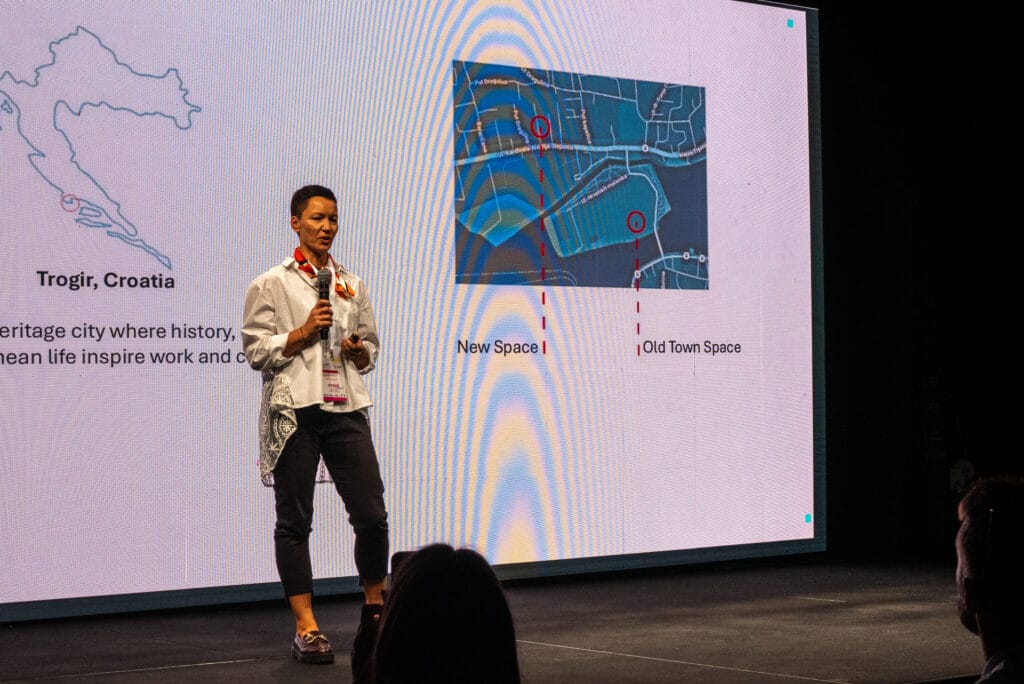
I don’t think there’s a recording of our presentation, but here are the slides if you want to have a look 🙂 . In half an hour, we shared what led us to create Alpiness coliving, our motivations, the challenges we faced along the way, how we kickstarted the community, our side projects and our long-term vision.
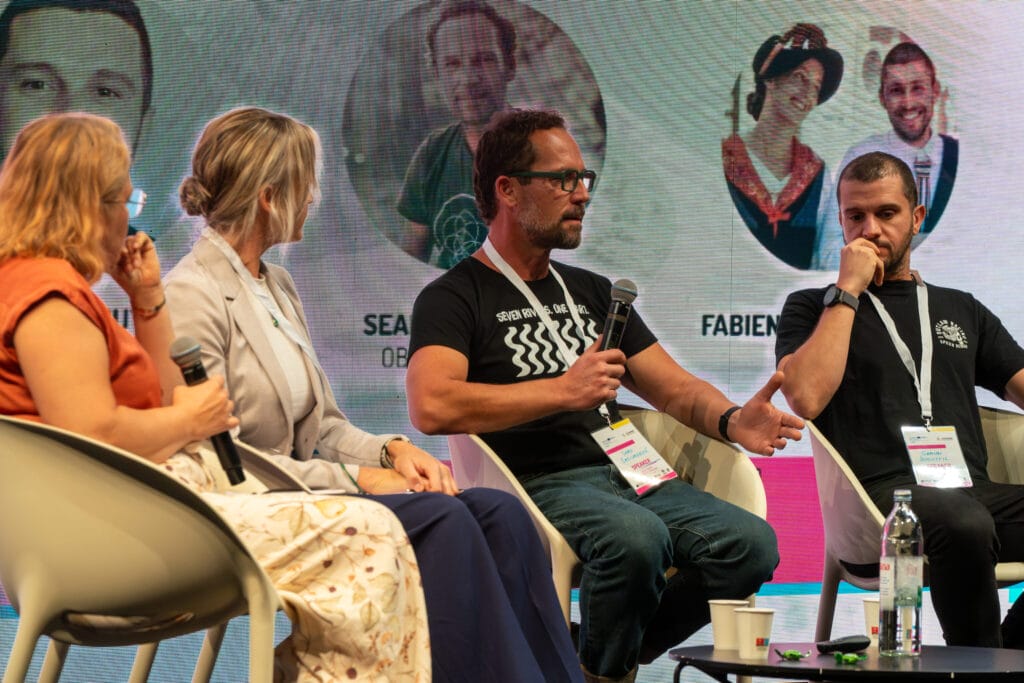
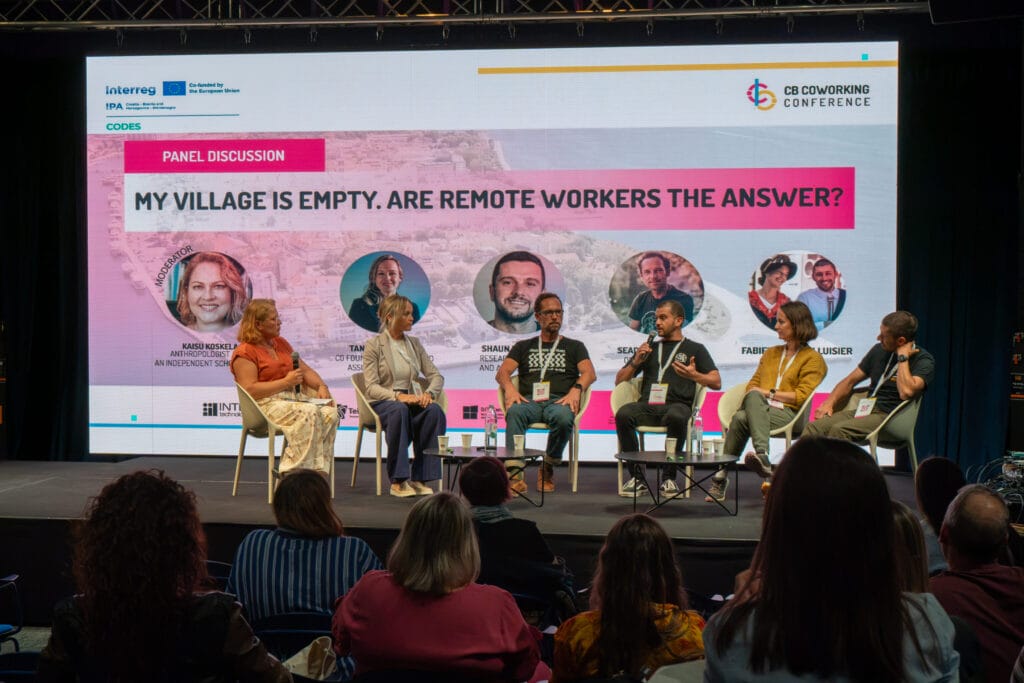
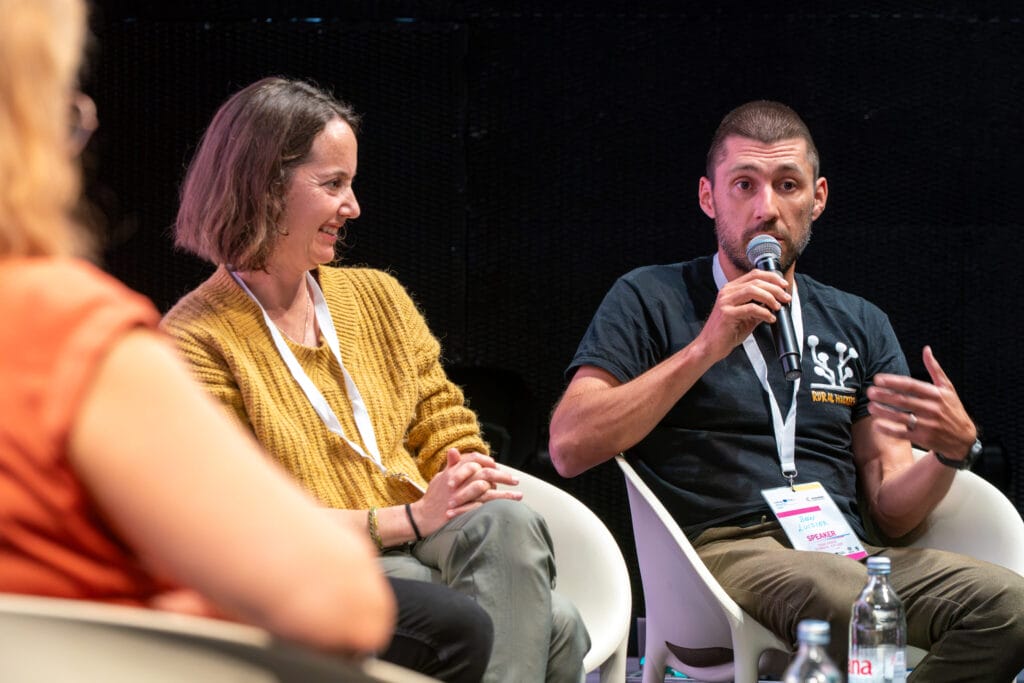
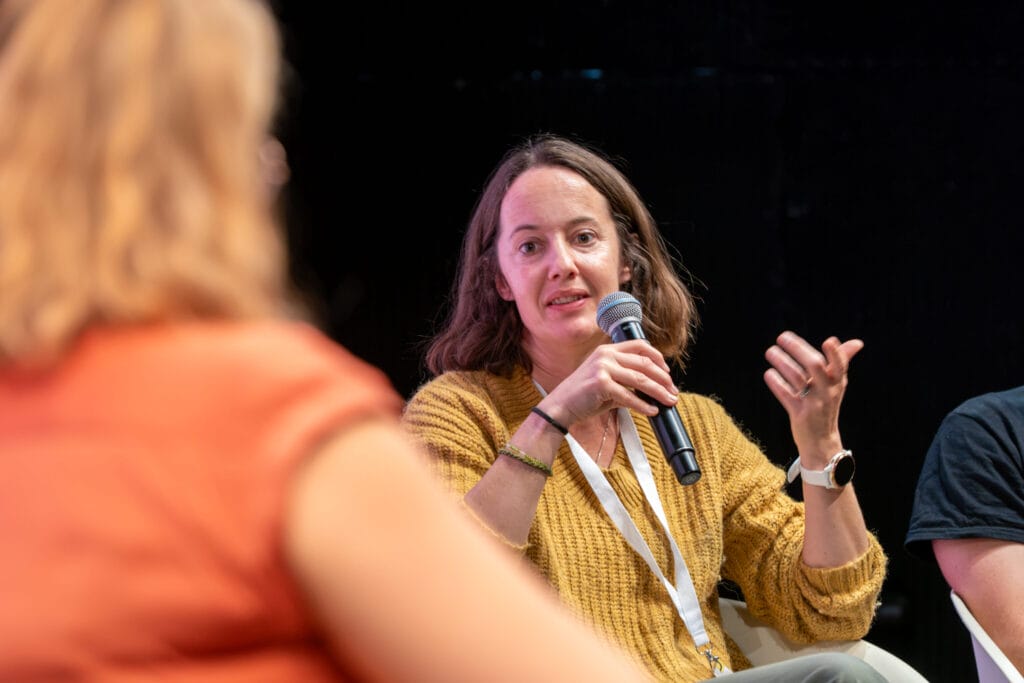
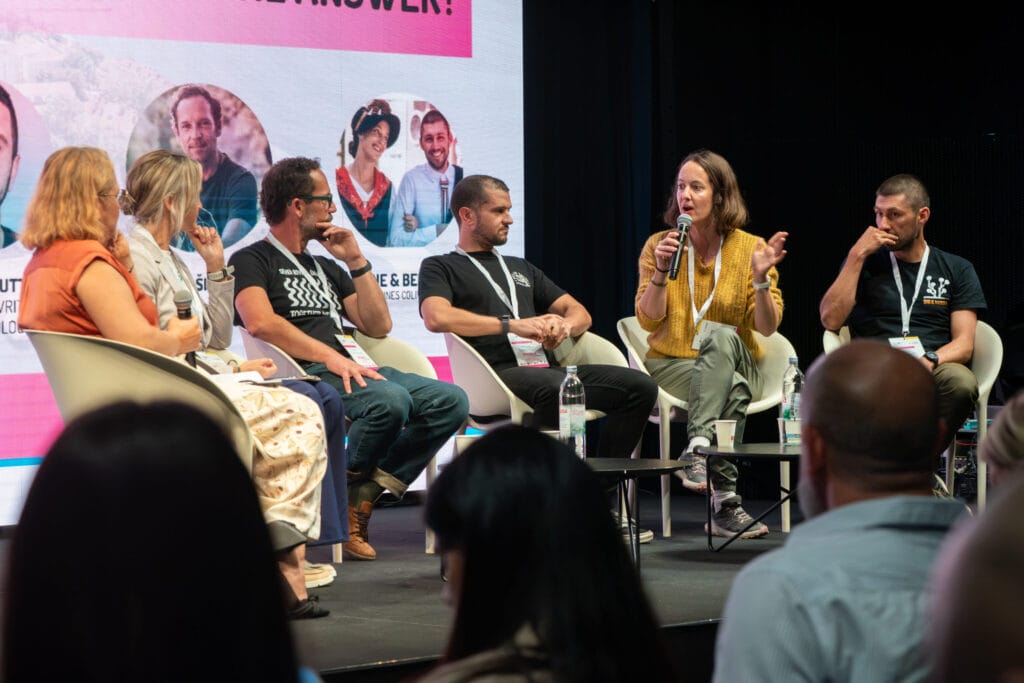
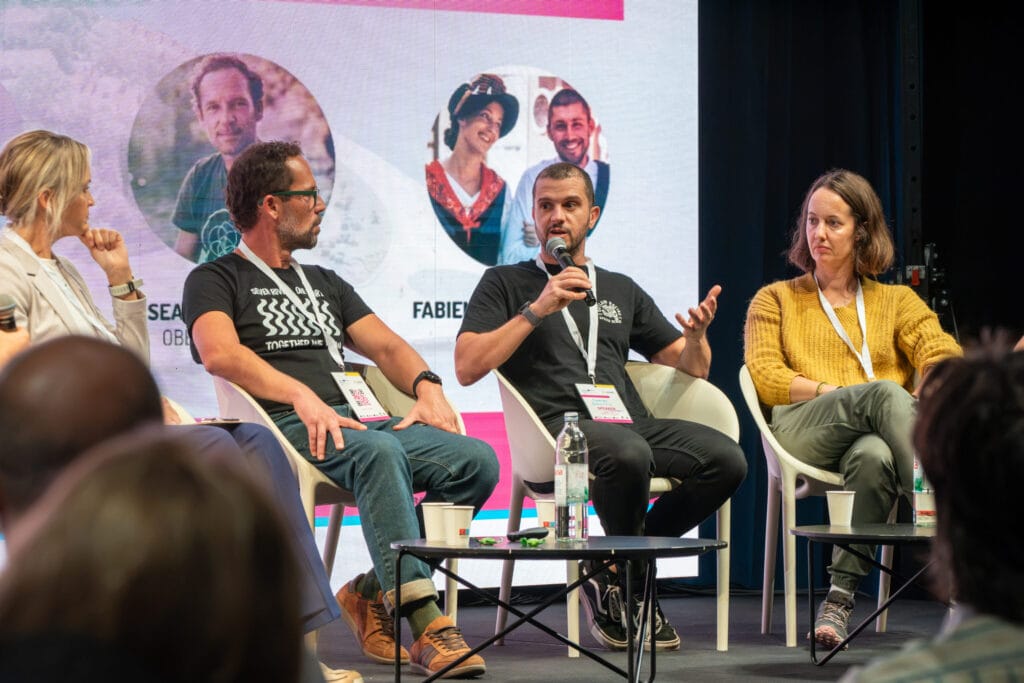
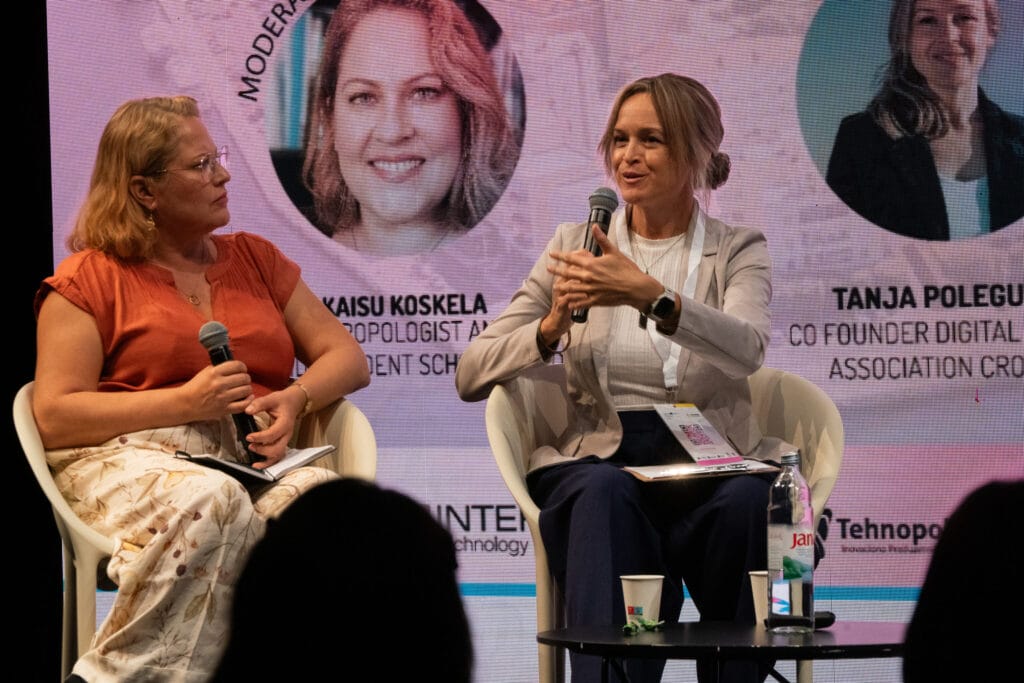
On the second day of the conference, we also took part in the panel: My village is Empty. Is Coliving (or Are Digital Nomads) the Answer?
The panel was led by Kaisu Koskela, a researcher and policy advisor specialising in digital nomadism. Her work explores the emergence of DN visas and how remote workers use them. She also started a community space called Pueblo Collective with some other remote workers in Jávea. We shared the stage with Sead, whom I introduced above, Shaun Busuttil, who is also a researcher on digital nomadism, and Tanja Polegubic, who founded the Digital Nomad Association Croatia.
Like any panel about villages and digital nomads, we of course ended up talking about Bansko, because it’s the only village that has really become a nomad hub, hosting one of the biggest nomad festivals in the world. Kaisu wondered how the community there will evolve now that Bulgaria is in the Schengen zone. Shaun also made the point that nomads don’t go to Bansko to connect with the local community or learn about the culture… but mostly to be with other remote workers and enjoy the mountains.
I think Fabienne, Sead and I tried to refocus the discussion on smaller rural projects (like our own, but also Anceu coliving, Sende etc…) and the challenges they face. In particular, we talked about the crucial role of the people behind each of these projects. The success and direction of many smaller rural projects depend on a few key people, hence the importance of finding the right project holders if these models are to be replicated. What I mean is that Sende wouldn’t be possible without Edo & Maria, or Anceu without Agus & Afri… so you need to find your local version of Edo, Maria, Agus & Afri, people who care deeply about their region… and then support them as much as you can (if you’re a policy maker, for example).
What do I take away from the conference?
A very different context in Croatia and the Balkans
Croatia’s high tourist season runs from April-May until the end of October, and from what people told me, a lot of things like restaurants and bars, but also services like boats to the islands, tourist attractions and so on… are closed the rest of the year. It’s quite different from our context, where we have 2 high seasons (summer & winter) and a “lower” season in spring and autumn (but everything stays open during those periods). I got the feeling that a number of people attending the conference (& working in hospitality) were interested in attracting remote workers during the low season, as they have enough guests the rest of the year.
I think it’s quite challenging (but not impossible) to run hybrid businesses aimed at tourists in the high season and remote workers in the low season. Remote workers are looking for very different things: a dynamic community, good working infrastructure, public transport, easy access to shops, maybe cafes, access to nature. They’re not trying to do everything, they’re looking for a place where they can find a good balance between work, social life and discovering the area a bit. So a location or a property that works well for tourists isn’t necessarily the right one for remote workers.
For remote workers, I would rather choose a place where people live all year round, where shops and cafes stay open, and where there’s at least basic infrastructure & public transport. But above all, operators should put a big focus on community building, as it’s one of the main reasons remote workers choose a location. Off the top of my head, the only example I can think of is Selgars, which manages to operate as a coliving during the “low” season and as an event venue the rest of the year.
I guess the takeaway here is: remote workers shouldn’t be seen solely as a way to fill the gaps. Running a coliving and building a community takes a lot of work and intention. It can’t be a way to “make some money while resting in the off season”.
A diverse coworking scene but almost no coliving spaces
On the afternoon of the first day, we attended an interesting session where coworking founders had a few minutes to pitch their space. We heard 8 pitches and I was really impressed by the diversity of the coworkings. From smaller spaces in rural areas to big, impressive projects funded by public money, it was really cool to discover them in the format of a pitch contest.
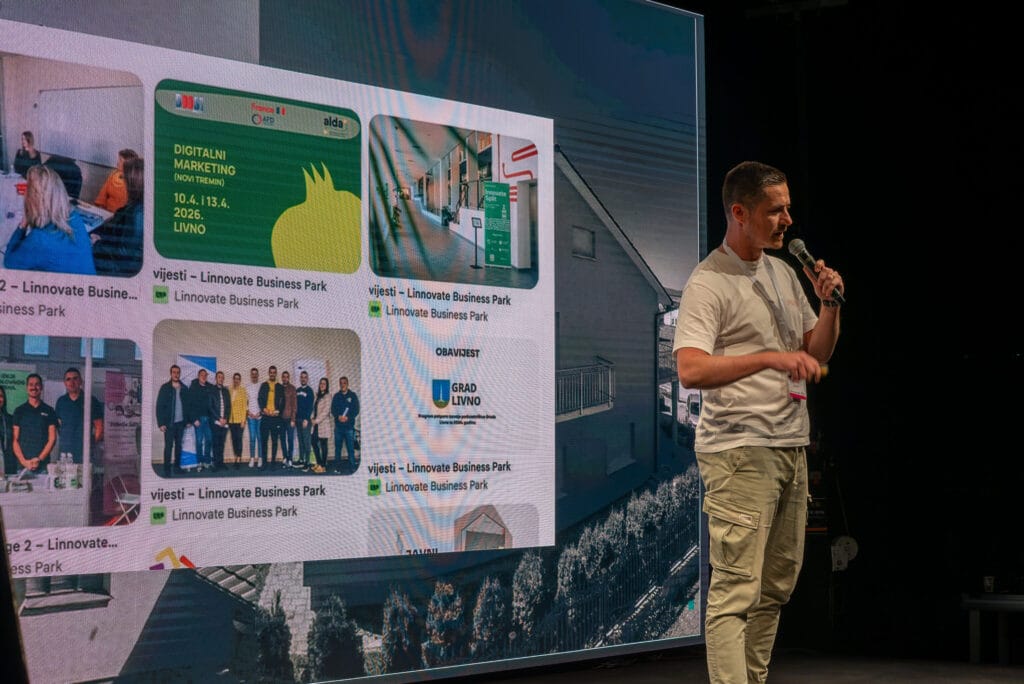
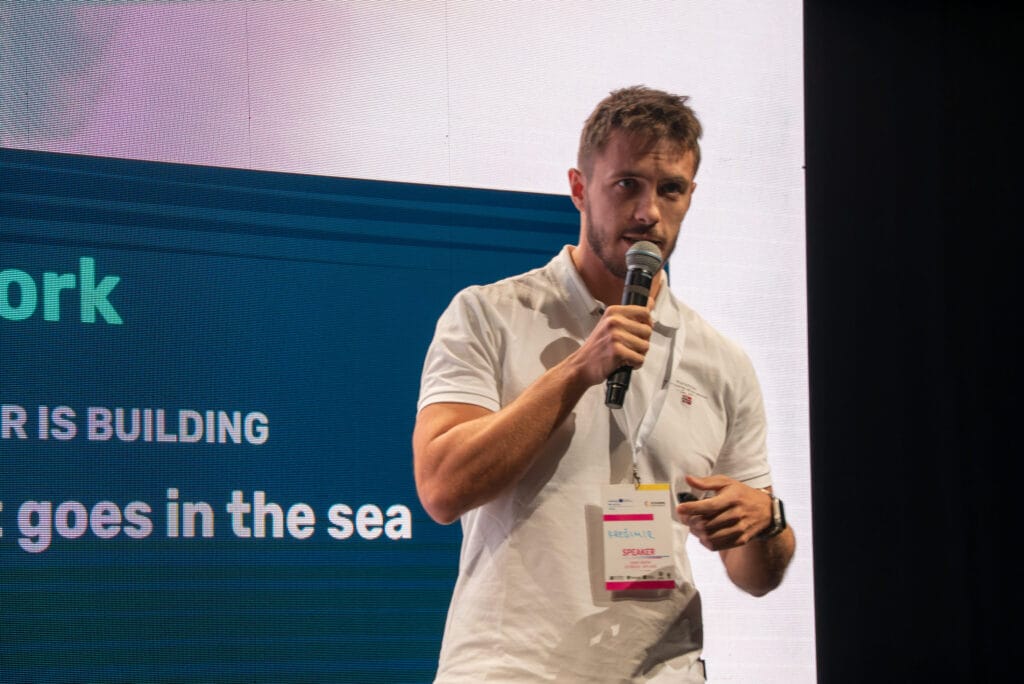
On the other hand, even after searching quite extensively, I found almost no coliving spaces in Croatia, Serbia, Bosnia, Montenegro, Albania, Kosovo & North Macedonia (just one called Playworking, another called Nomio,more of a mix between a hotel & a coliving, and 2 Nomadico places, counting Helena’s, which had just started). I mean, they have the sea, some nice mountain ranges, beautiful nature, pretty good weather all year round and digital nomad visas, and some of those countries are also outside Schengen. It ticks a lot of boxes and I don’t quite understand why there aren’t more coliving spaces (or at least 1 or 2 well-established ones).
Digital nomad visas and the Schengen zone
On paper, Switzerland isn’t really “digital nomad friendly”, as we don’t have a digital nomad visa and we’re in the Schengen zone. That means if you’re not based in a Schengen country, it’s really hard to stay here for more than 2-3 months. In fact, we’ve already had a few cases of people who wanted to stay longer (or even settle for a while) but couldn’t, because Switzerland has no regulatory framework for remote workers. I actually checked, and around 50% of our guests are based outside the Schengen zone, which means that if they want to stay longer, they need to apply for a work permit (and it’s not easy to get one if you don’t work for a Swiss company).
In the Balkans, Croatia, Albania, Montenegro, Bulgaria & Slovenia all offer a digital nomad visa that lets any remote worker stay for at least 1 year (and some of them are renewable). I think it’s really cool, because even if most digital nomads don’t necessarily use those visas when they travel, it allows those who enjoy a place to actually stay longer.
Also, all the Western Balkan countries (Serbia, Bosnia and Herzegovina, Montenegro, Albania, Kosovo & North Macedonia) are outside the Schengen zone. This means that remote workers nomading in Europe (who aren’t based in the Schengen zone) can reset their Schengen days by staying in these countries. Even if I wouldn’t base a whole business strategy on this alone, it can definitely help, as I know for a fact that places like Bulgaria became quite popular partly for that reason.
Of course, we did a bit of tourism
It would have been a shame to travel to Croatia and not take a few days to explore the area a bit.
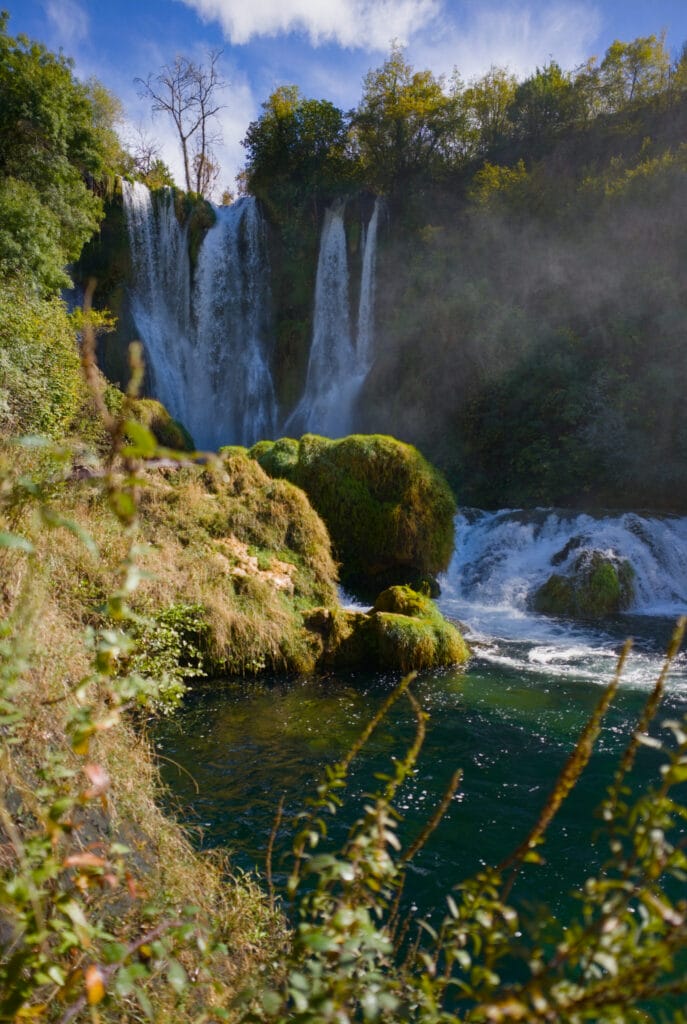
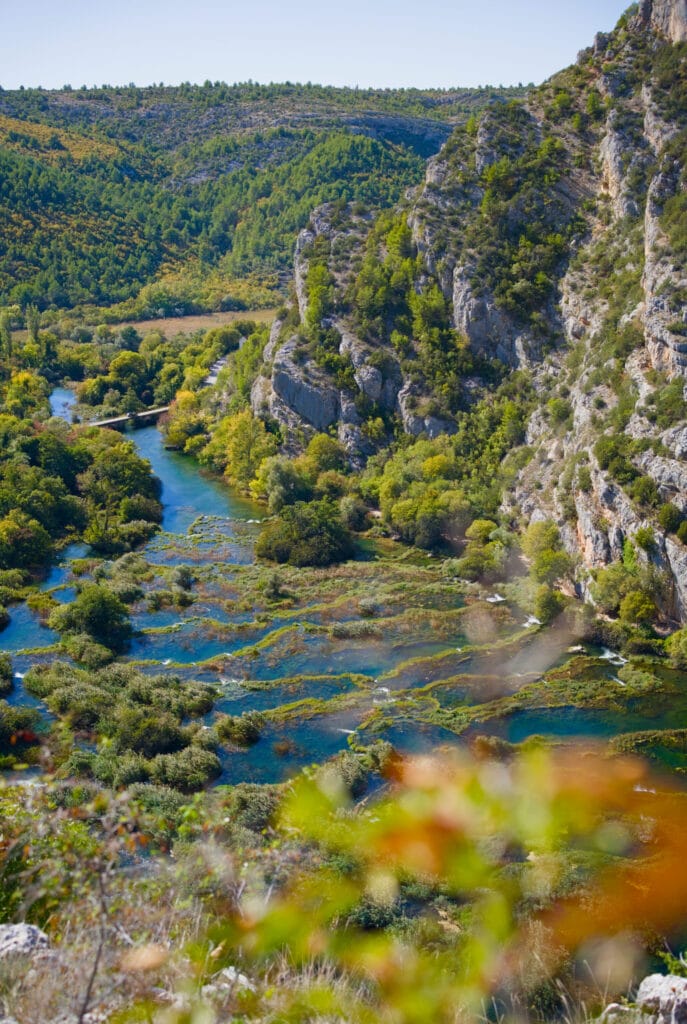
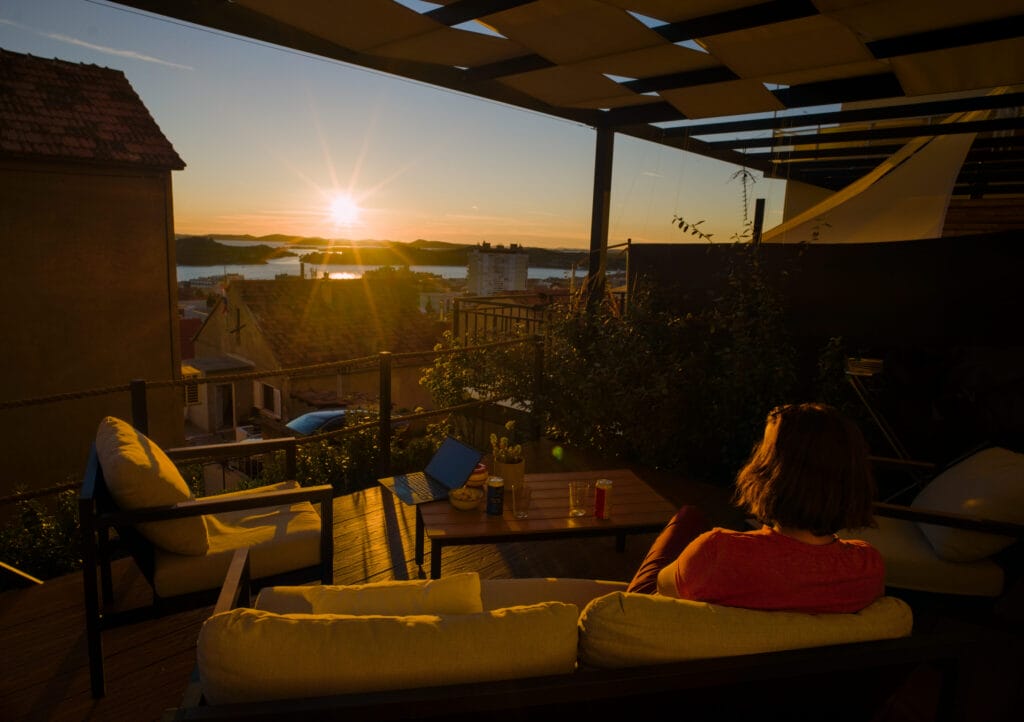
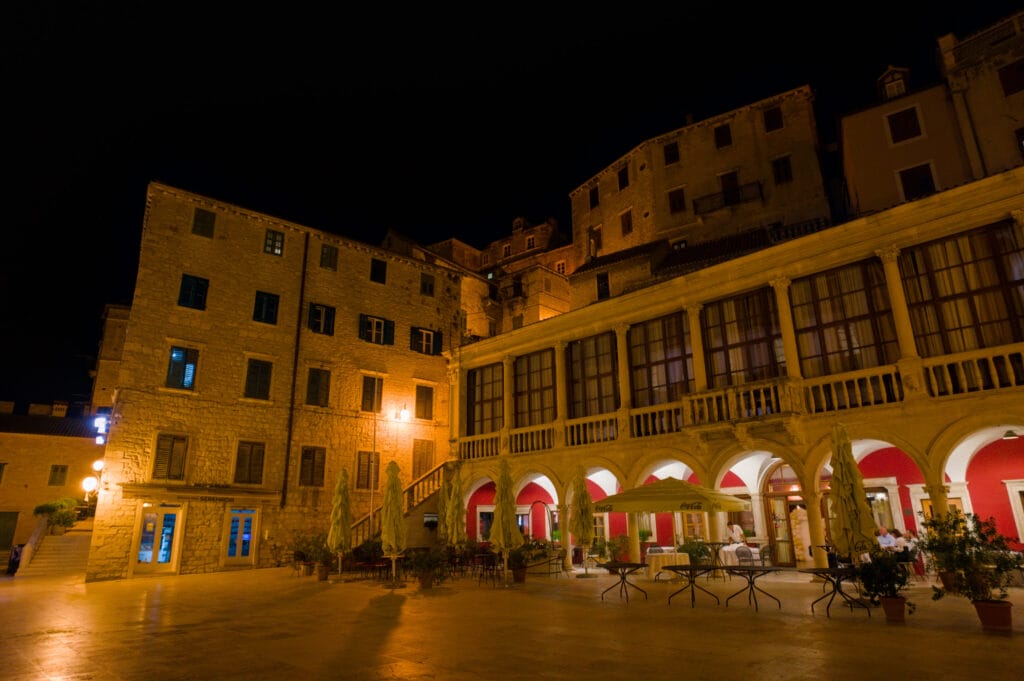
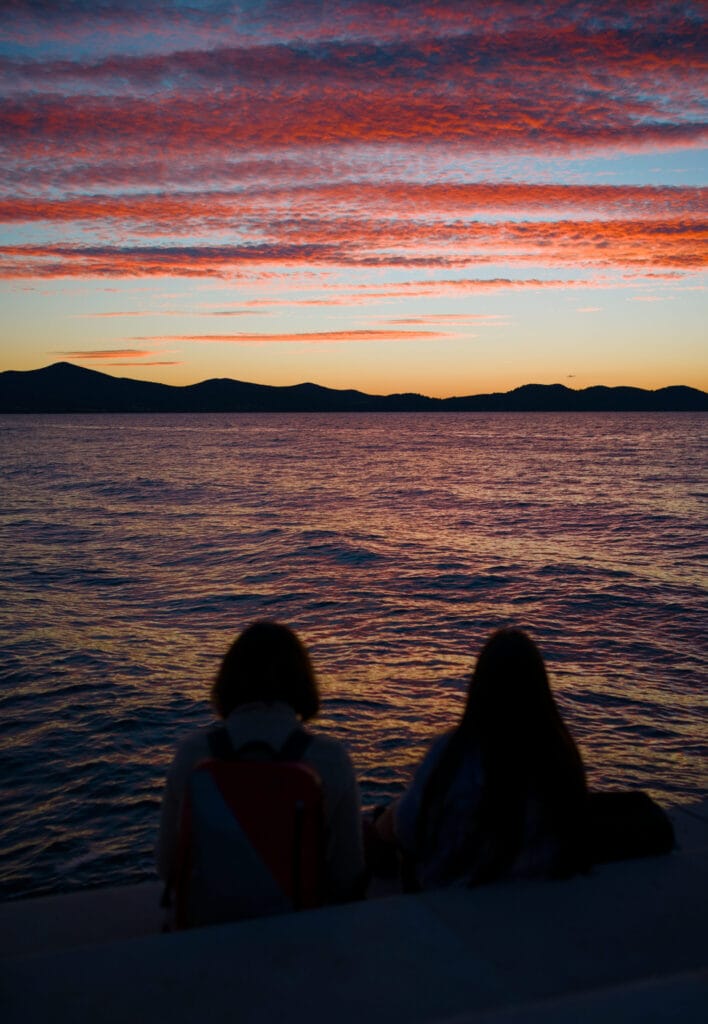
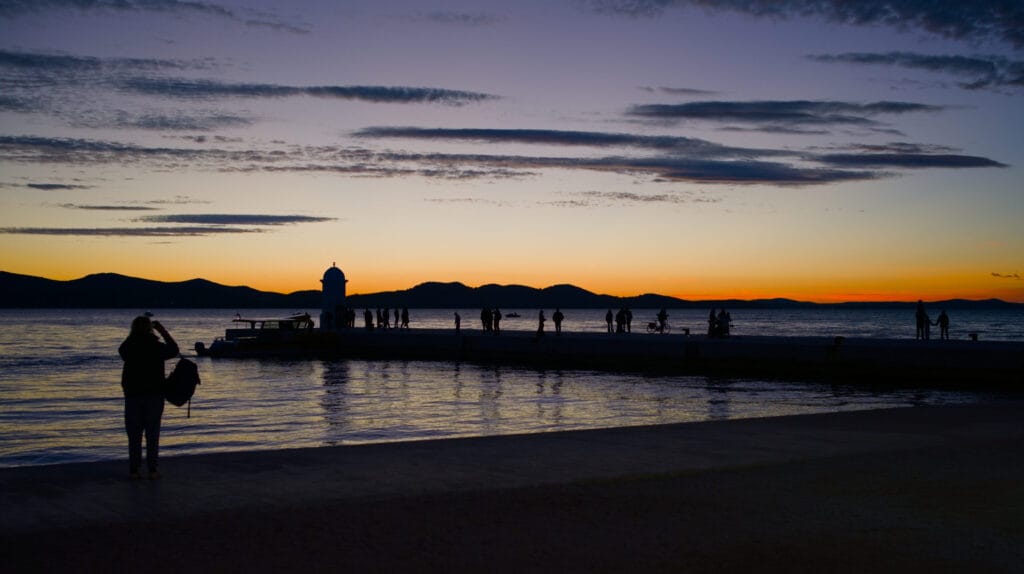
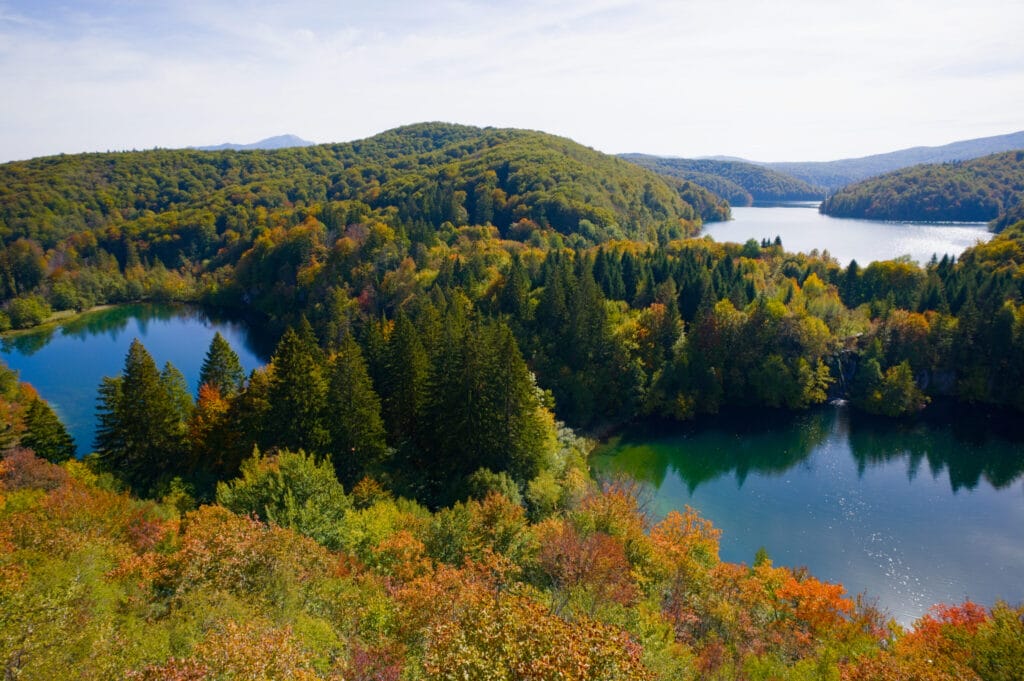
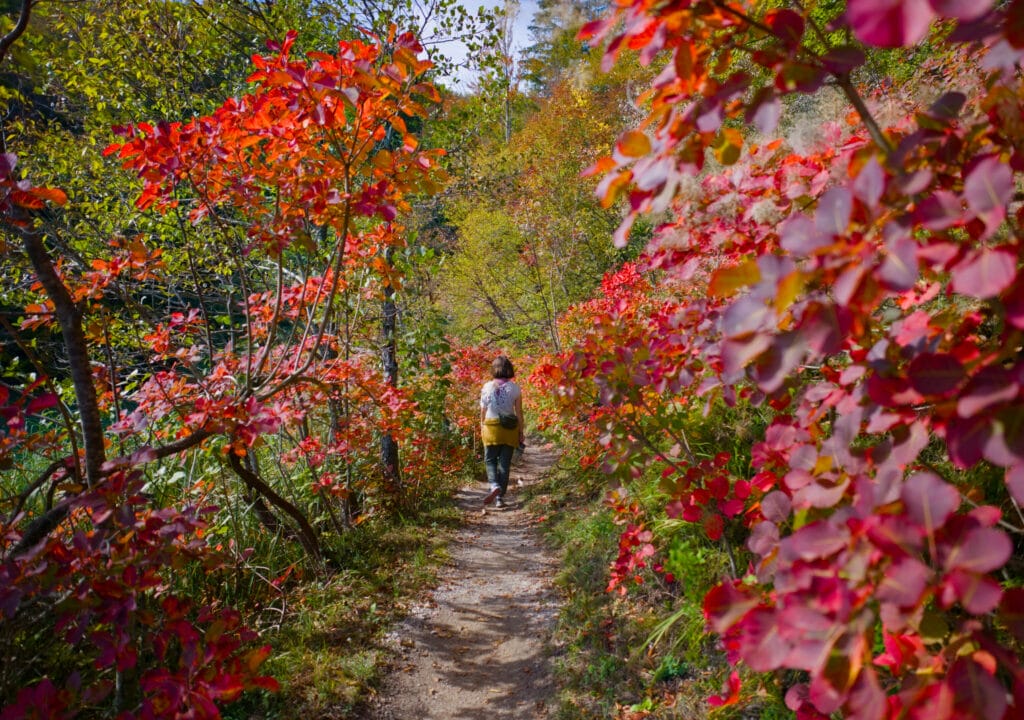
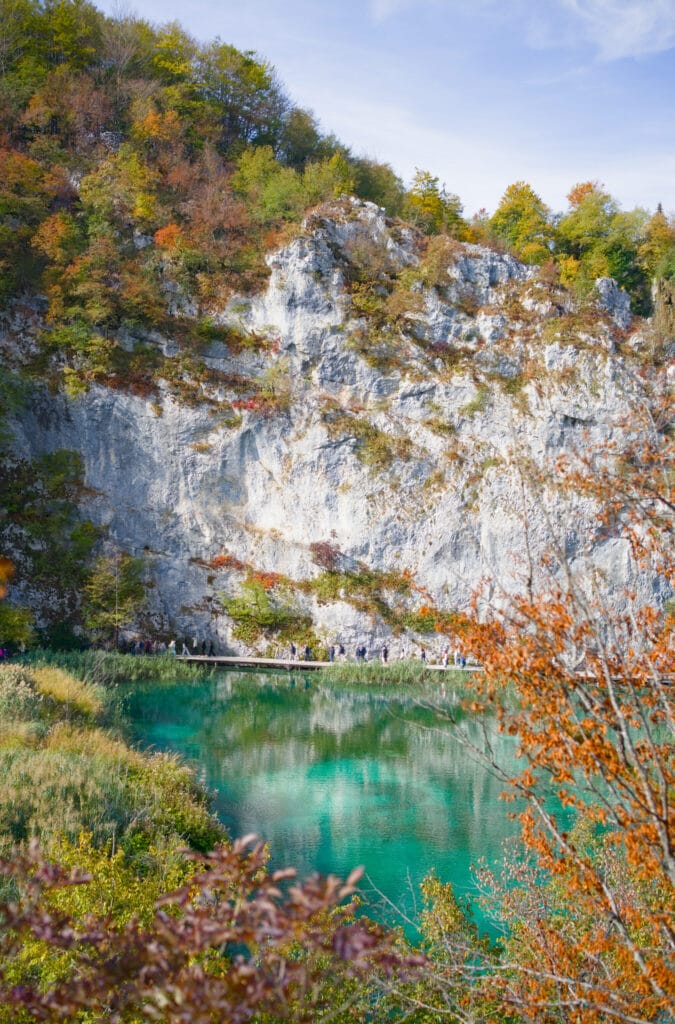
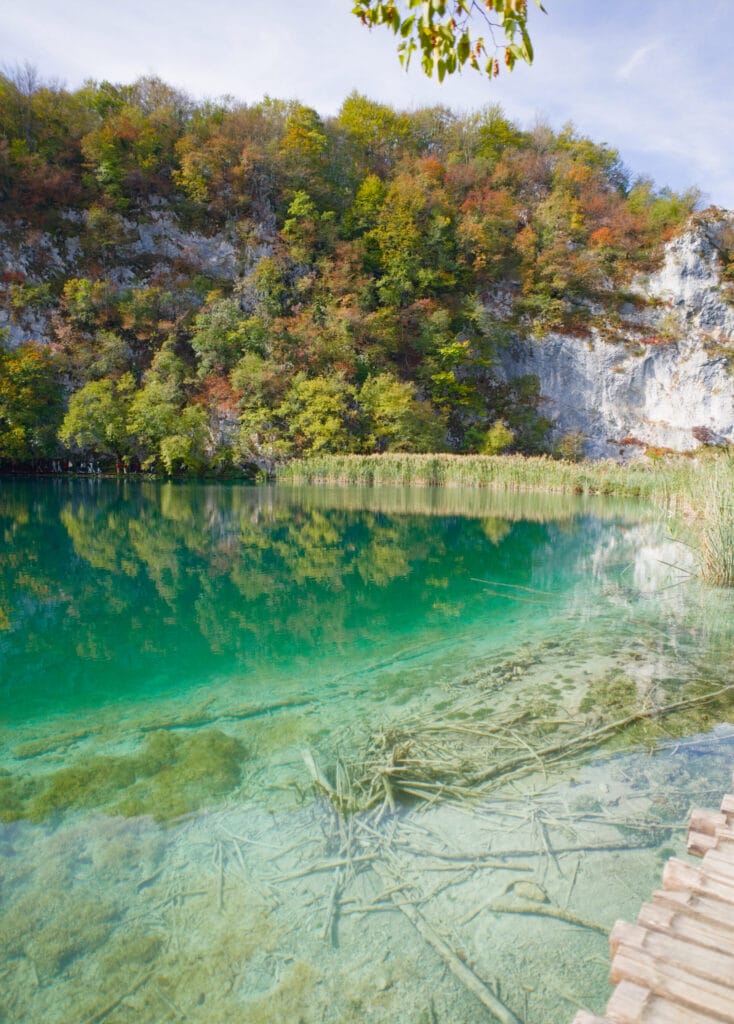
We arrived 2 days before the conference and rented a car and an apartment in the cute coastal town of Šibenik. There we chilled a bit on the terrace and visited Krka National Park before heading to the conference. After the conference, we made a detour to hike for a full day in Plitvice National Park. We had a gorgeous day, with amazing autumn colours and not too many people. Then we headed to the little town of Trogir to visit Helena and spend the evening there before heading back to Switzerland.
We almost never do trips like this, because one week is short and we like to take our time. But we had a great time nonetheless, and we’re grateful for the opportunity and the connections we made at CBCC 2026. Thanks a lot to the whole organising team! Next time we visit the Balkans, it will be for much longer, and we’ll take the time to visit all your amazing spaces along the way.